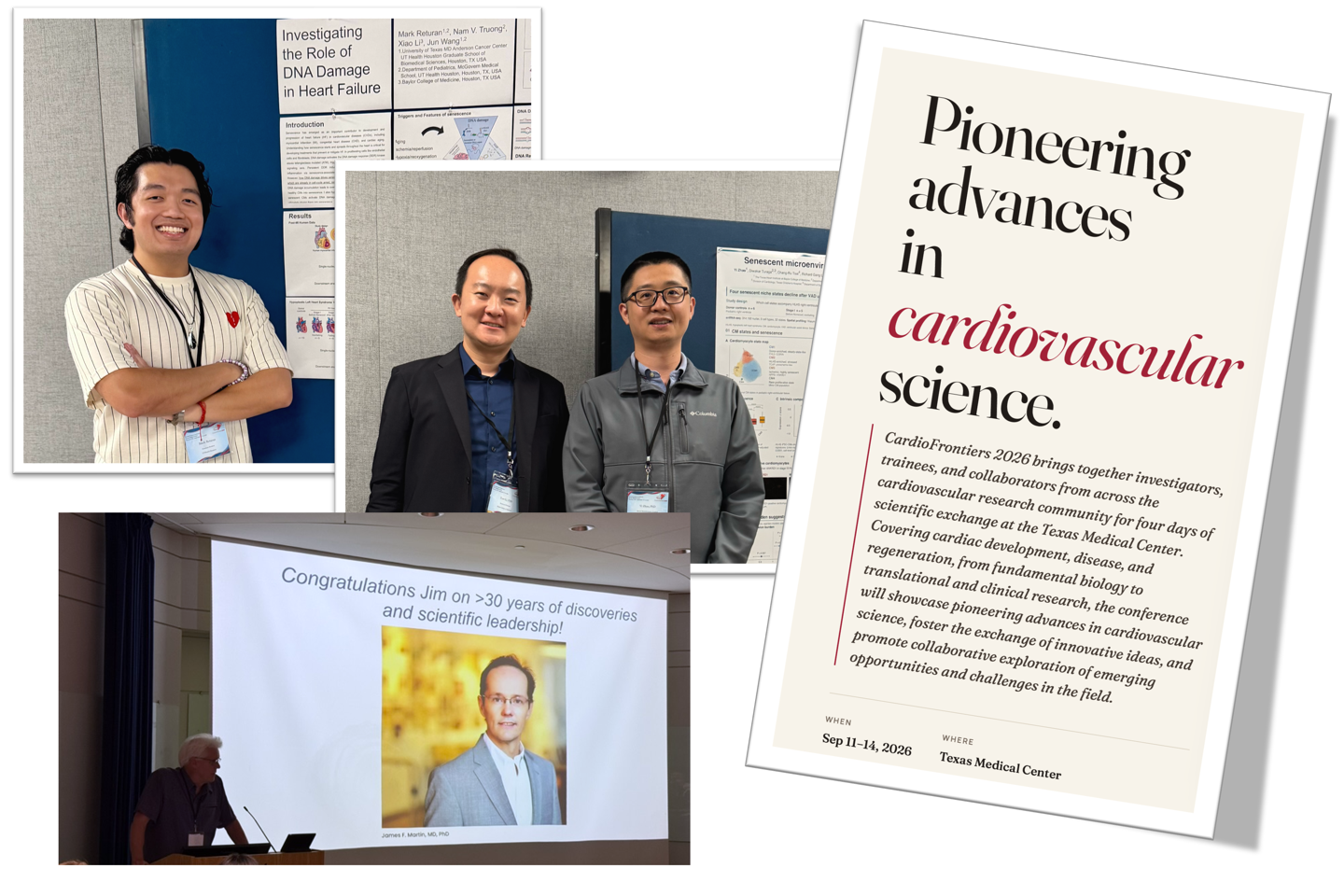
Li Lab at CardioFrontiers 2026 Conference
The lab joined CardioFrontiers 2026, held September 11–14 in Houston across Baylor College of Medicine and UTHealth Houston. Yi and Mark presented their recent work on senescence and genome instability in the failing heart. Dr. Xiao Li gave a Rising Star talk on the lab’s cardiac transplant biology, “Spatially Resolved Microvascular Rewiring in the Transplanted Heart.” We were glad to join Drs. Eric Olson, Brian Black, Benoit Bruneau, and many other world-leading experts in cardiac biology. The meeting also marked the 30th anniversary of the Martin Lab, honored with a tribute from Dr. Olson and a keynote by Dr. James Martin. Congratulations to Jim on three decades of discovery and mentorship!
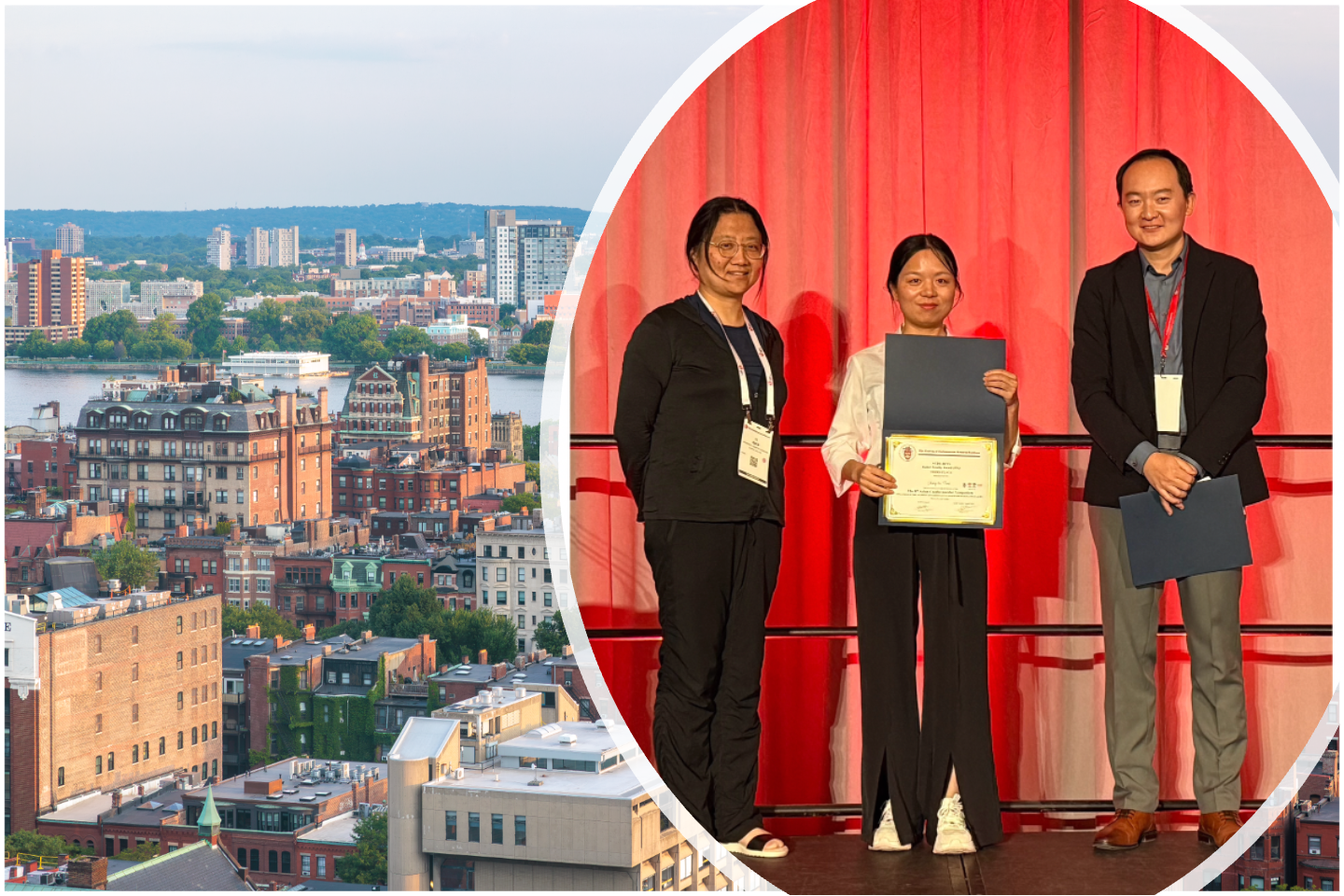
Xin Wang takes presentation award at AHA BCVS 2026
On July 12, 2026, in Boston, during the AHA Basic Cardiovascular Sciences Scientific Sessions, Dr. Xin Wang was awarded third place in the Academy of Cardiovascular Research Excellence (ACRE) oral abstract competition. Presenting on behalf of Dr. Chang-Ru Tsai and collaborators from our lab and Dr. James Martin’s lab, Xin shared our new spatial multi-omics work using an adult cardiac regeneration mouse model, revealing how diverse cell populations coordinate to repair the injured heart. Congratulations to Xin, Dr. Tsai, and the entire collaborative team!
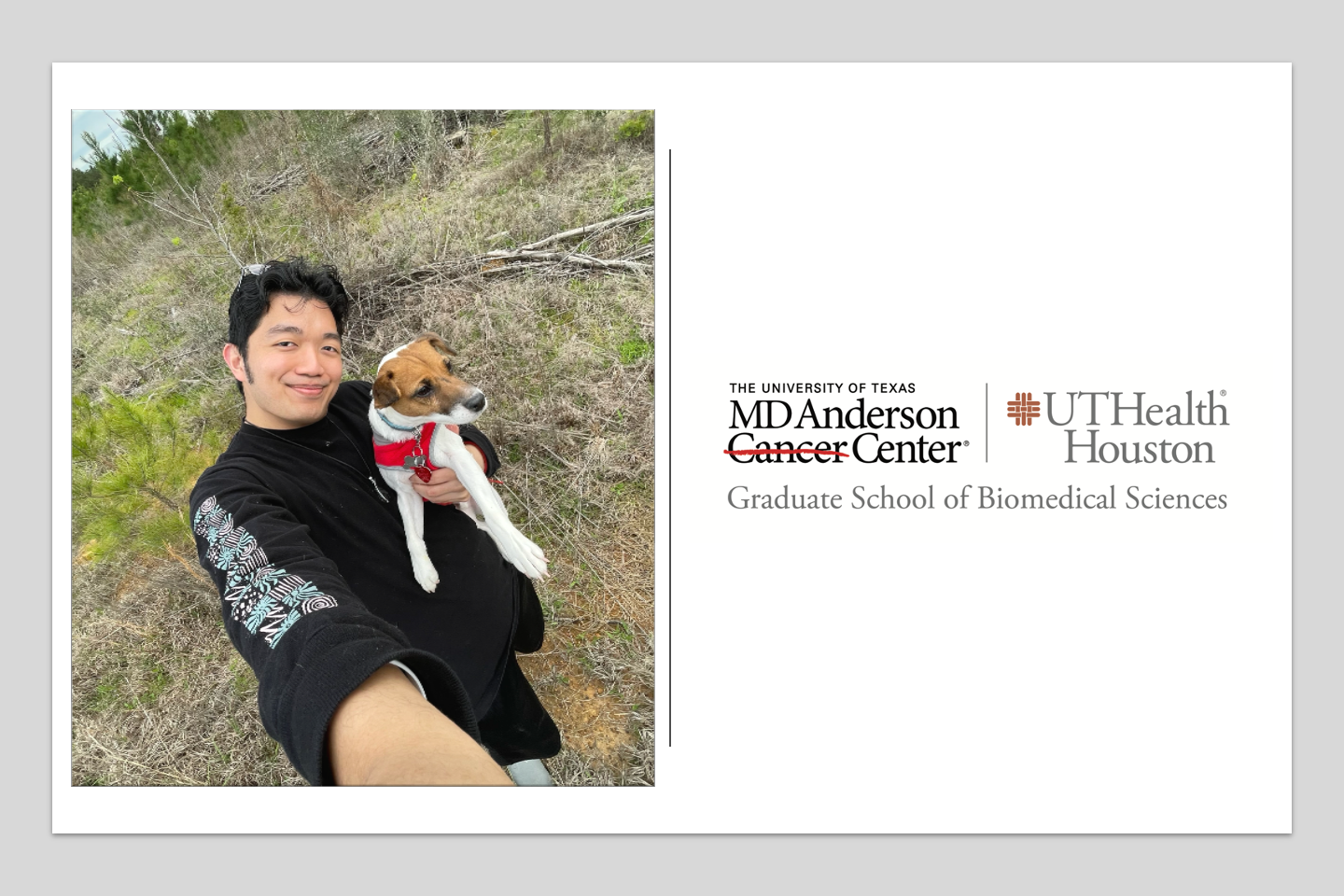
Welcome new PhD student Mark Returan
The lab welcomes Mark Returan as a new PhD student in the Genetics and Epigenetics Program of the UTHealth Graduate School of Biomedical Sciences. Mark’s previous research focused on genome stability and DNA repair biology. In the lab, he will investigate the molecular mechanisms underlying cellular senescence in heart failure. Co-mentored with Jun Wang, PhD.
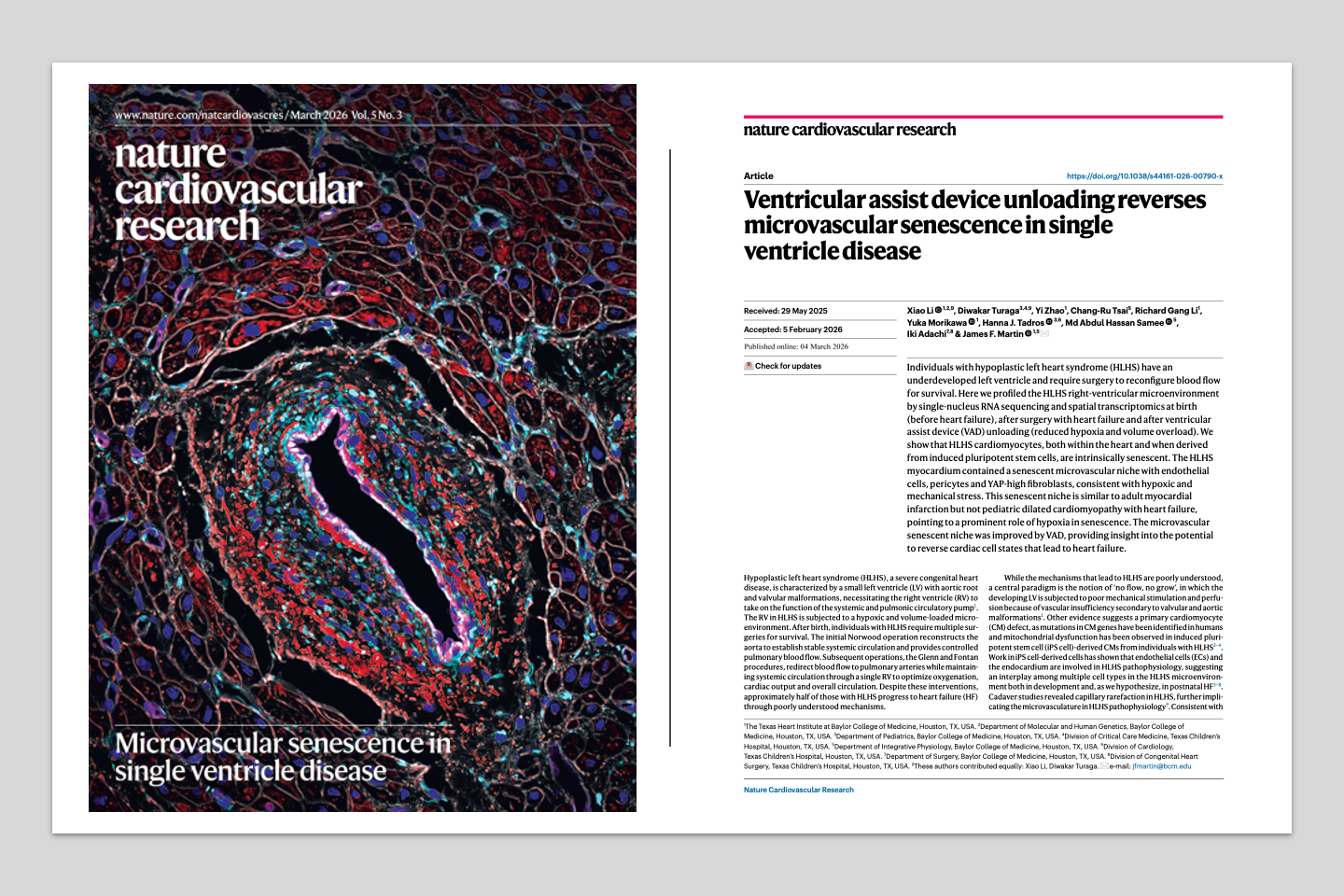
New paper in Nature Cardiovascular Research: VAD unloading reverses microvascular senescence
Published in Nature Cardiovascular Research, our study with the Texas Heart Institute team examines why the systemic right ventricle fails in single-ventricle disease and shows that ventricular assist device–mediated mechanical unloading partially reverses cellular senescence in the failing heart, pointing to a new therapeutic angle for pediatric heart failure. Read the paper. · Texas Heart Institute press release.
Faculty appointment in the Department of Molecular and Human Genetics, Baylor College of Medicine
In 2025, the Department of Molecular and Human Genetics at Baylor College of Medicine welcomed Dr. Xiao Li as a new tenure-track primary research faculty member. Dr. Li continues as Assistant Investigator at the Texas Heart Institute, leading a multidisciplinary research program at the interface of genomics, cardiac biology, and innate immunity. The appointment follows the strategic integration of THI and BCM into a premier cardiovascular research and clinical center.
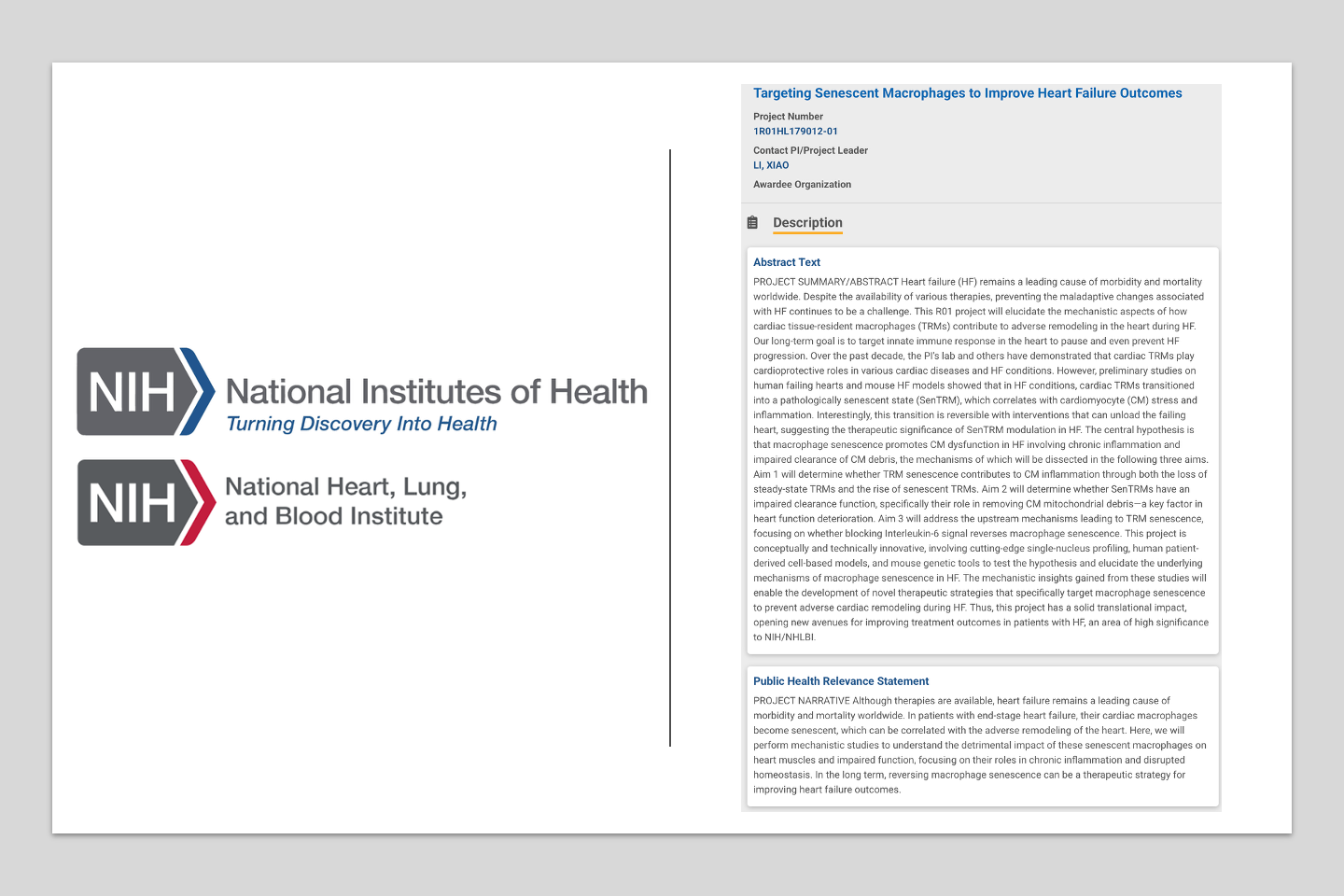
NIH/NHLBI R01 funding awarded
The lab receives a five-year NIH/NHLBI R01 award (1R01HL179012) to investigate how senescent macrophages — aged cardiac immune cells — drive heart failure progression. The project will define how these cells trigger maladaptive inflammation, whether they lose the capacity to clear damaged tissue, and whether blocking macrophage senescence can reverse cardiac damage. Co-investigators: Drs. James Martin, Arash Pezhouman, and Diwakar Turaga, with collaborators at Northwestern. Texas Heart Institute press release.

Welcome new postdoctoral scholar Xin Wang
The lab welcomes Dr. Xin Wang as a new postdoctoral scholar. Xin received her PhD in Biology from Wuhan University, where she studied glioblastoma heterogeneity and microenvironmental remodeling using single-cell approaches. In the lab, her research integrates spatial multi-omics and mouse models to study atrial tissue microenvironments, chamber-specific remodeling, and mechanisms of ventricular regeneration in cardiac disease.
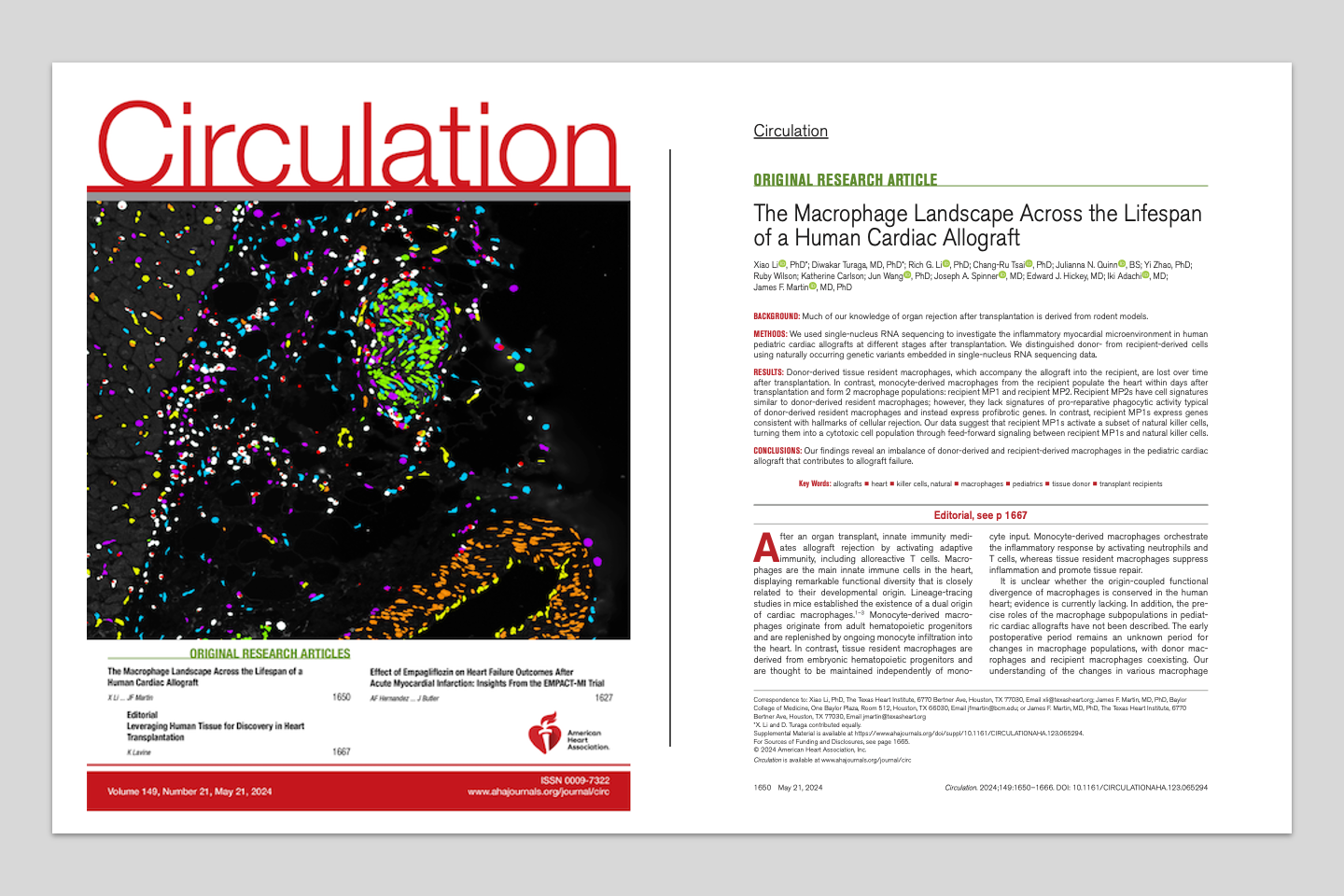
First single-cell macrophage atlas across the lifespan of a human cardiac allograft
Published in Circulation, we report the first single-nucleus RNA-seq atlas of macrophages across the lifespan of a pediatric cardiac allograft. The work shows that donor-derived macrophages are rapidly replaced by recipient cells after transplantation and identifies targets for tailored immunomodulation to improve long-term allograft survival. Read the paper. · Texas Heart Institute press release.
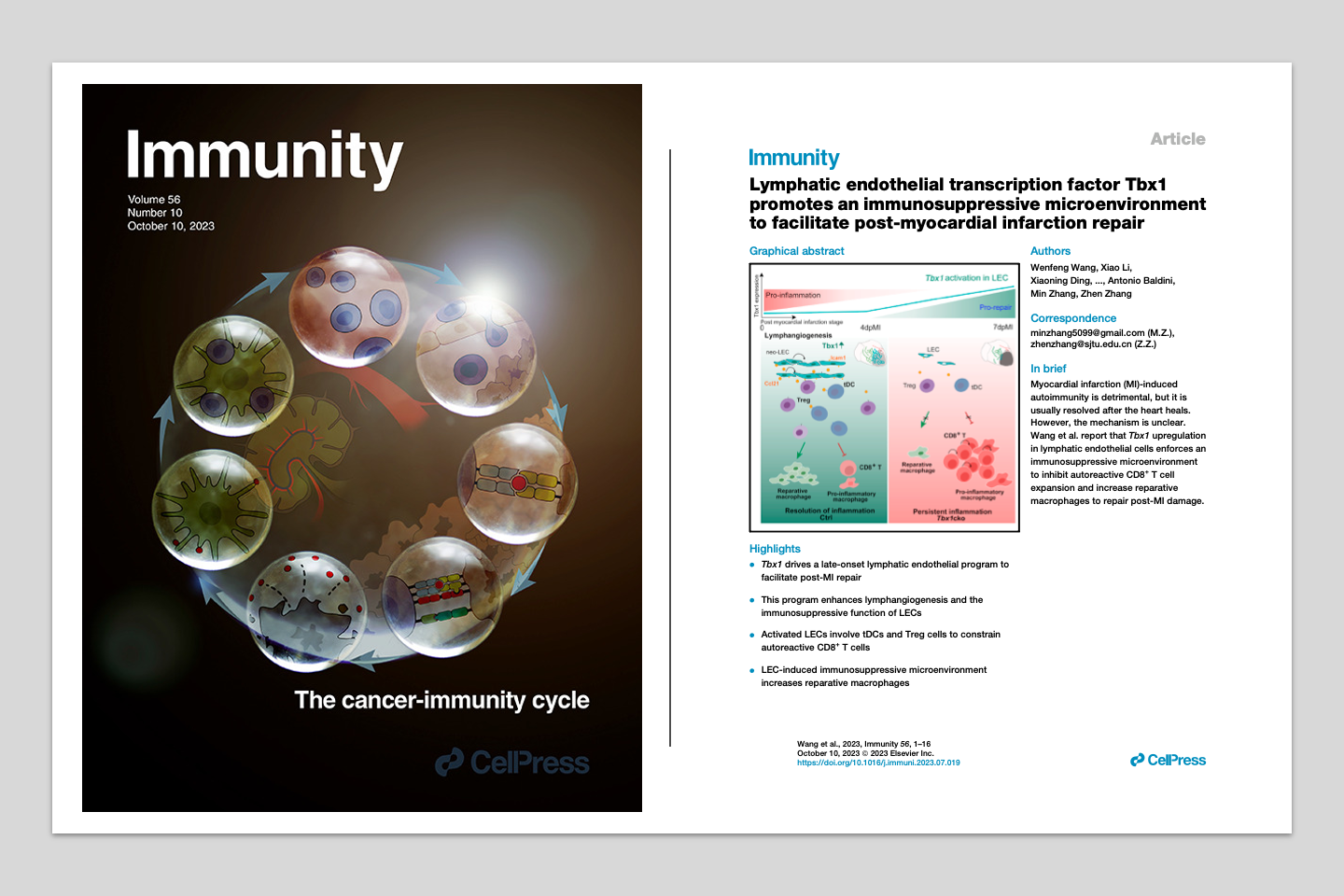
Pioneering study in Immunity: TBX1 restrains autoimmunity after myocardial infarction
In Immunity, the lab co-led the discovery of a TBX1-driven lymphatic-endothelial program that suppresses autoimmunity and inflammation following heart attack. The findings define a time-synchronized window in which early, transient immunomodulation could improve recovery while avoiding the side effects of long-term immunosuppression. Read the paper. · Texas Heart Institute press release.
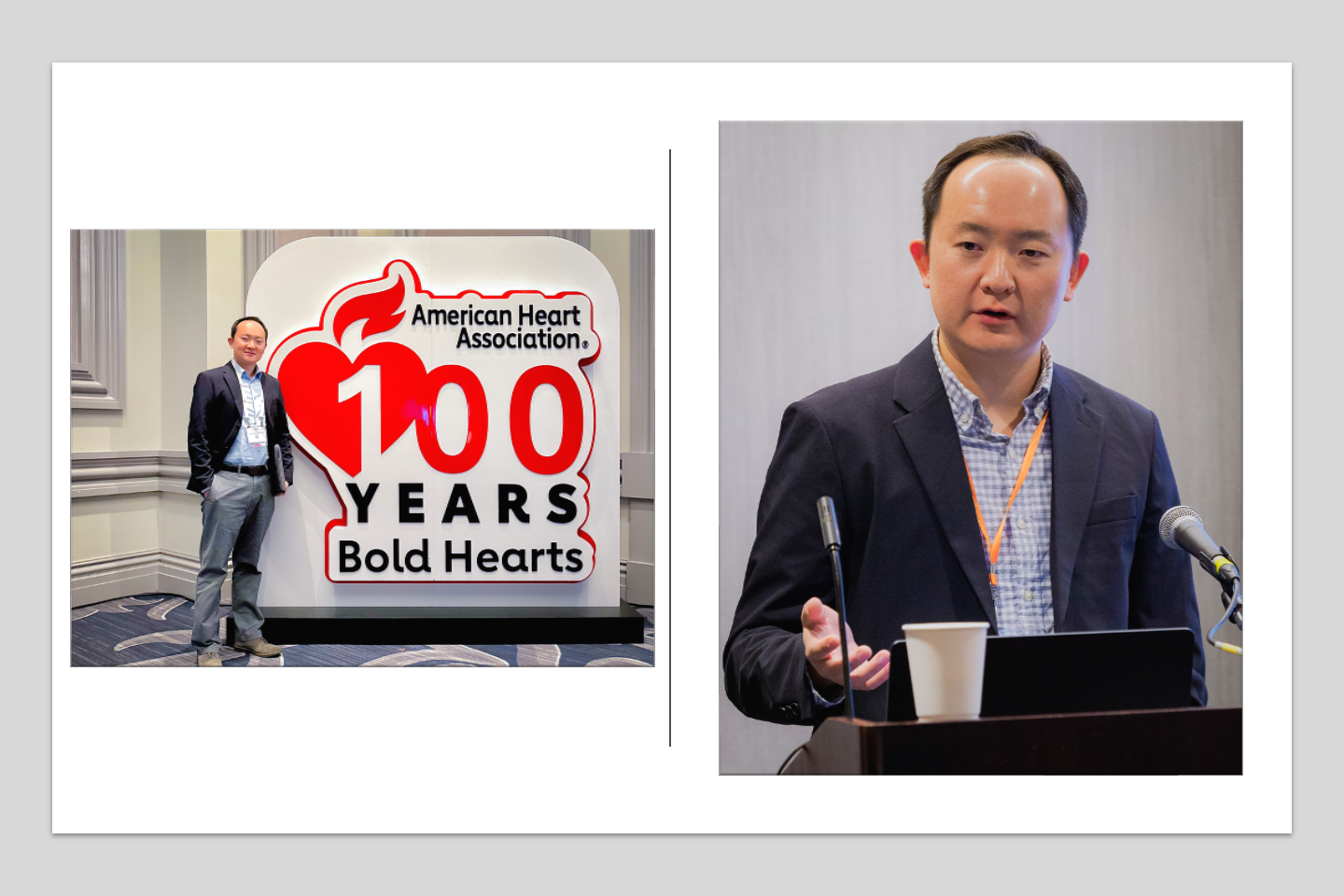
Impromptu talk at AHA BCVS 2023, Chicago
Dr. Xiao Li delivered an impromptu talk, “The Immune Landscape of a Transplanted Heart,” at the AHA Basic Cardiovascular Sciences Scientific Sessions in Chicago, highlighting ongoing collaborative work with the Martin Lab on pediatric cardiac allograft immunology.