About the Xiao Li Lab
Our Lab investigates cardiac homeostasis, injury, and repair across scales — from single-cell immune–stromal niches to the three-dimensional architecture of the genome. Our work sits at the intersection of cardiac immunology, epigenomics, and regenerative biology, with a translational focus on pediatric heart failure, heart transplantation, and congenital heart disease.
Since launching the lab in 2022, we have published in Nature Cardiovascular Research, Circulation, and Immunity. The lab is located in the Texas Heart Institute at Baylor College of Medicine and the Department of Molecular and Human Genetics at Baylor College of Medicine.
We are always excited to work with curious and motivated graduate students, post-baccalaureate trainees, and postdoctoral scholars interested in molecular biology, genomics, cardiovascular biology, immunology, or computational biology. If you are interested in joining the lab, reach out to us
News
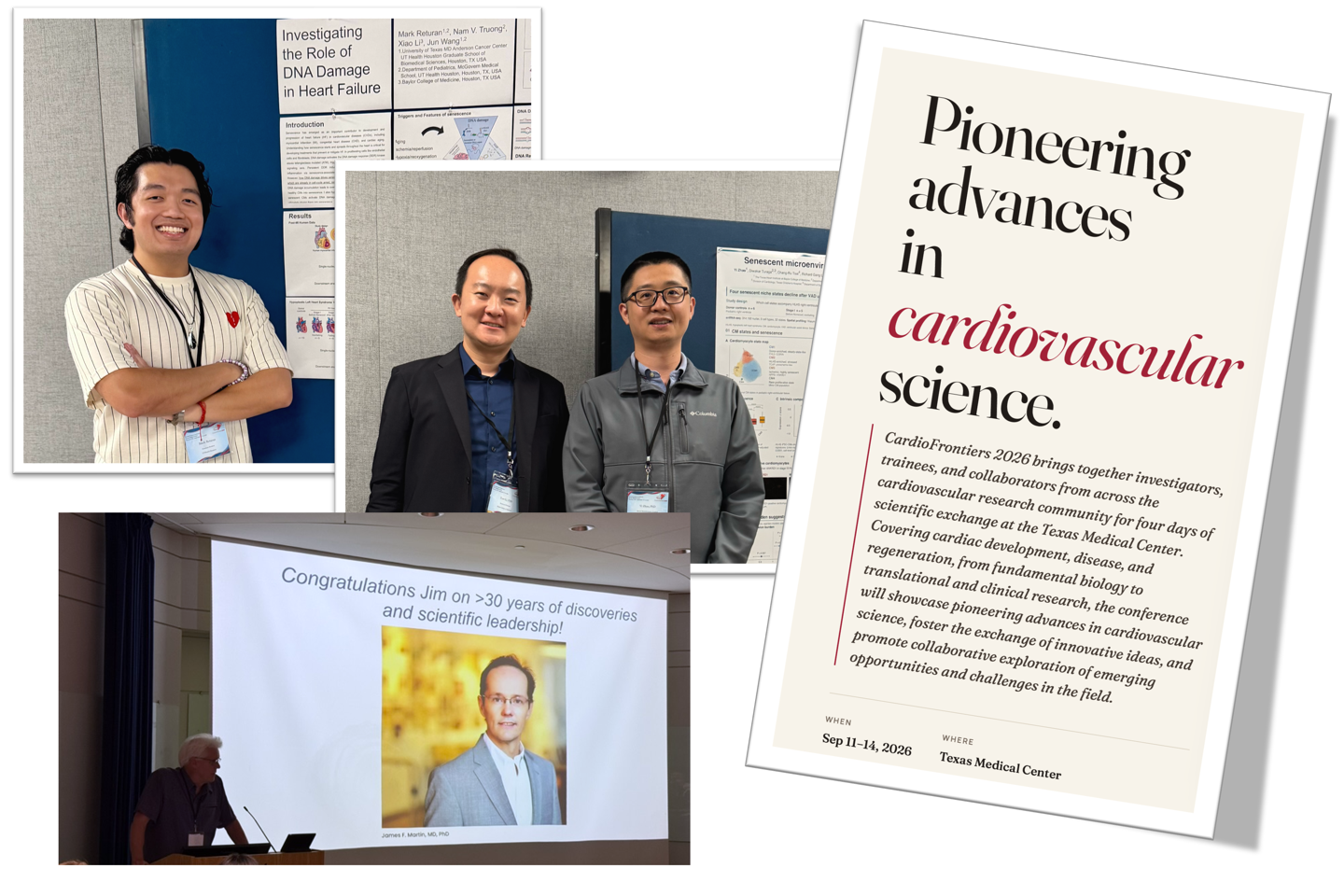
Li Lab at CardioFrontiers 2026 Conference
The lab joined CardioFrontiers 2026, held September 11–14 in Houston across Baylor College of Medicine and UTHealth Houston. Yi and Mark presented their recent work on senescence and genome instability in the failing heart. Dr. Xiao Li gave a Rising Star talk on the lab’s cardiac transplant biology, “Spatially Resolved Microvascular Rewiring in the Transplanted Heart.” We were glad to join Drs. Eric Olson, Brian Black, Benoit Bruneau, and many other world-leading experts in cardiac biology. The meeting also marked the 30th anniversary of the Martin Lab, honored with a tribute from Dr. Olson and a keynote by Dr. James Martin. Congratulations to Jim on three decades of discovery and mentorship!
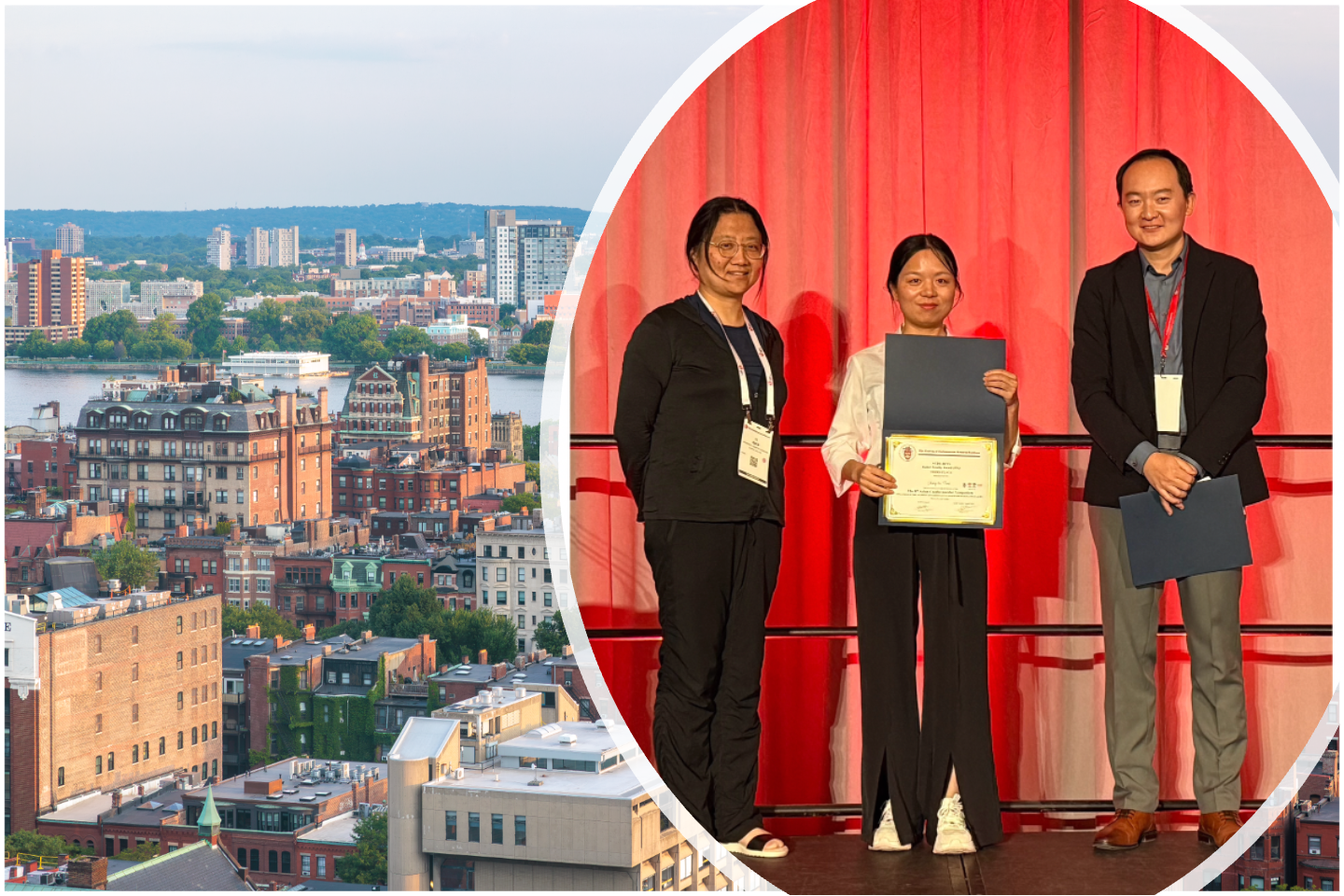
Xin Wang takes presentation award at AHA BCVS 2026
On July 12, 2026, in Boston, during the AHA Basic Cardiovascular Sciences Scientific Sessions, Dr. Xin Wang was awarded third place in the Academy of Cardiovascular Research Excellence (ACRE) oral abstract competition. Presenting on behalf of Dr. Chang-Ru Tsai and collaborators from our lab and Dr. James Martin’s lab, Xin shared our new spatial multi-omics work using an adult cardiac regeneration mouse model, revealing how diverse cell populations coordinate to repair the injured heart. Congratulations to Xin, Dr. Tsai, and the entire collaborative team!
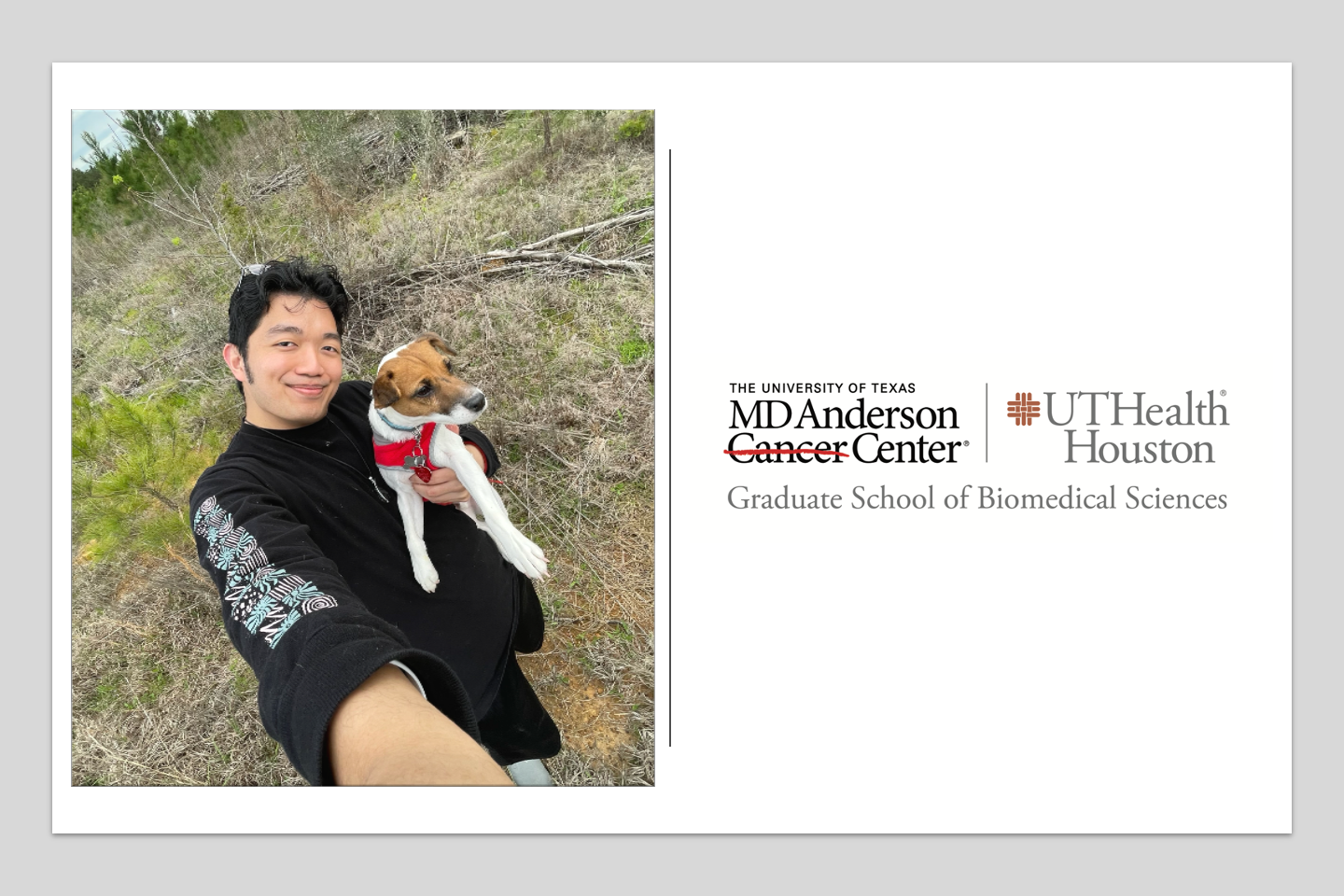
Welcome new PhD student Mark Returan
The lab welcomes Mark Returan as a new PhD student in the Genetics and Epigenetics Program of the UTHealth Graduate School of Biomedical Sciences. Mark’s previous research focused on genome stability and DNA repair biology. In the lab, he will investigate the molecular mechanisms underlying cellular senescence in heart failure. Co-mentored with Jun Wang, PhD.
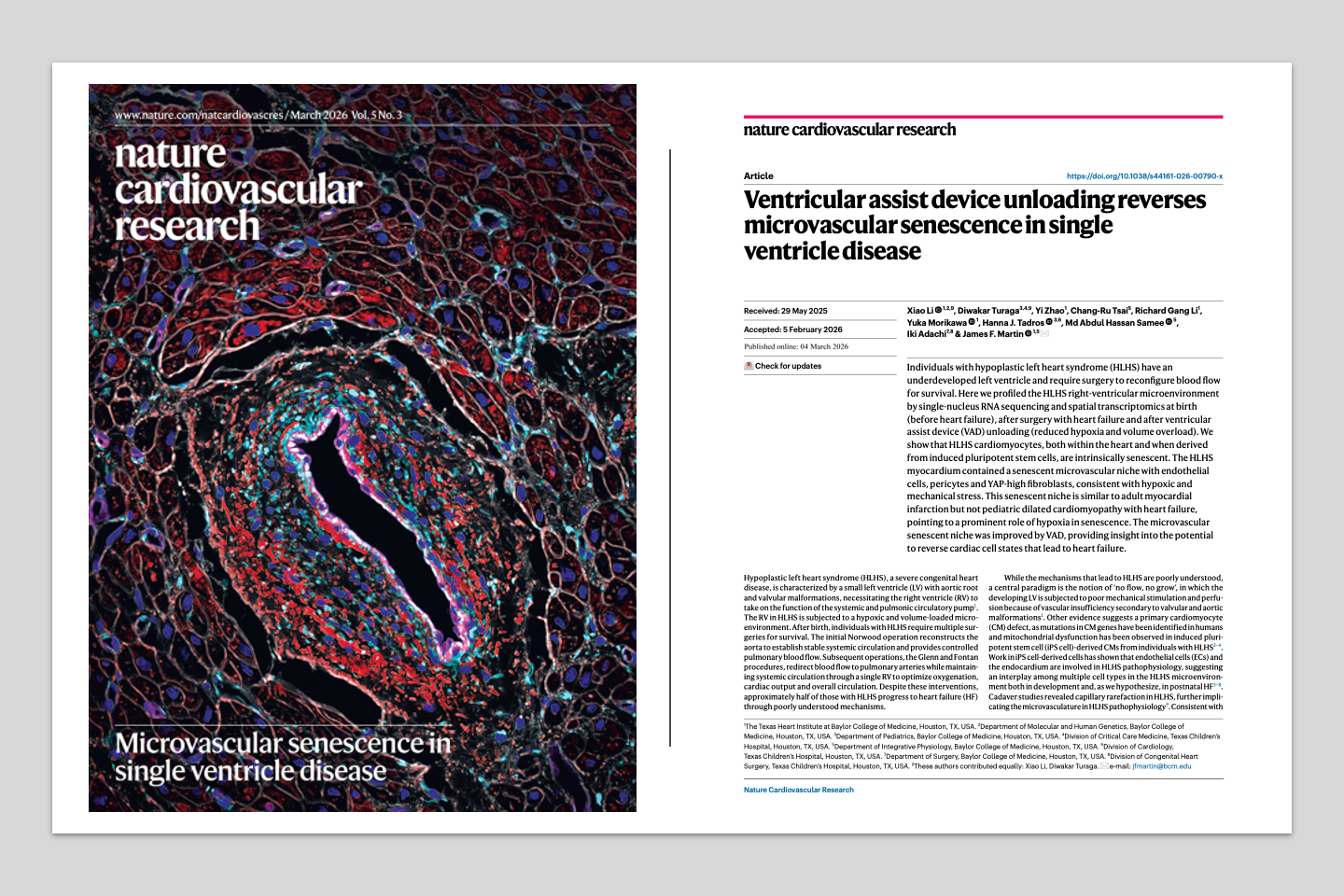
New paper in Nature Cardiovascular Research: VAD unloading reverses microvascular senescence
Published in Nature Cardiovascular Research, our study with the Texas Heart Institute team examines why the systemic right ventricle fails in single-ventricle disease and shows that ventricular assist device–mediated mechanical unloading partially reverses cellular senescence in the failing heart, pointing to a new therapeutic angle for pediatric heart failure. Read the paper. · Texas Heart Institute press release.